
Brand identity in 2026:
Stand out or go away

Welcome to the age of radical clarity
Nobody cares about your brand. Harsh? Absolutely. True? Painfully so.
In 2026, your audience faces thousands of brand messages daily (many marketers say over 10,000, though no one actually knows where that number came from). And many of these brand messages are churned out by AI-driven marketing. Ironically, the technology helping you understand your audience better is also flooding their inboxes, social feeds, and screens with noise. If your brand isn’t crystal clear, boldly distinct, and undeniably authentic, you might as well invest in VHS tapes.
Here’s the upside:
Here’s the upside: Radical clarity and provocation in your identity are now your most potent weapons.
Why the attention economy demands intentional signals
Attention is the new currency, and sending the right signal is critical. In an overcrowded marketplace saturated by AI-generated content, your visual and brand identity serve as intentional signals that immediately differentiate you from the noise.

Consider Patagonia. Each visual asset intentionally signals their commitment to sustainability.

B2B tech leader Atlassian visually signals openness, collaboration, and innovation.
When potential customers glance at your brand, what message do they instantly receive?
If your brand identity doesn’t send an intentional signal aligned with your core values, you’re effectively invisible.
Are you confidently signaling the right message, or are you lost in the digital static?
Embrace the humanity in B2B branding
Here’s a wake-up call for B2B marketers: you’re not selling to spreadsheets, you’re selling to humans.
Your brand must tap into emotions, pride, and identity. Would anyone proudly wear your brand’s polo or drink from your mug outside their basement? If the answer is no, your brand isn’t compelling enough. B2B brands, stop pretending you’re not consumer brands. Humans don’t switch off their emotions at work.
Visual identity in 2026 is moving away from rigid, minimalist, cookie-cutter styles (we see you, Gotham font). Organic, playful, and eclectic visual trends such as eco-minimalism, collage couture, and dynamic typography now dominate the landscape.
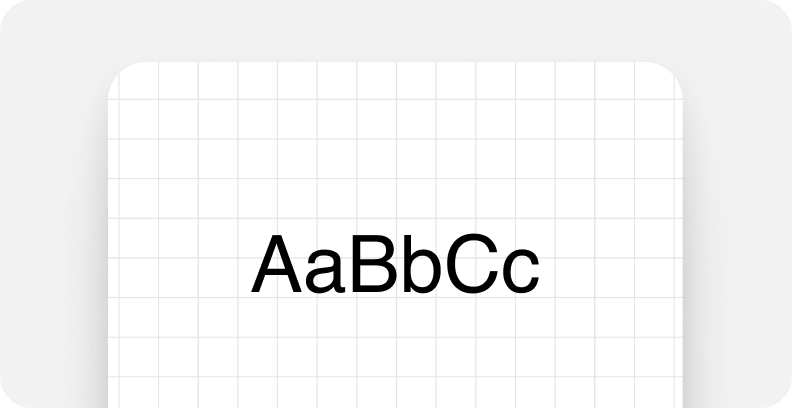

For consumer brands, the play might be countering these trends. However, for B2B, leaning into these consumer-driven aesthetics is a strategic goldmine. Most B2B brands are slow, predictable, and dull. By boldly adopting dynamic visual identities, you not only stand out but you also engage emotionally.
Creating brand affinity isn’t reserved for consumer giants like Nike or Apple. It’s critical in B2B. Salesforce turned CRM software into a community that people proudly represent. Slack made workplace communication feel human. Adobe attracts creative talent by aligning its brand with creativity itself.
What’s stopping your B2B brand from becoming a badge of honor?
AI can’t lead your brand
AI has transformed brand identities (just like everything else in our industry) by accelerating research and fine-tuning messaging at lightning speed. However, while AI excels at optimizing and refining, it lacks the intuitive, emotional depth required to build a truly resonant brand. It lacks the human touch. You’ve probably seen it yourself. There’s no depth.
72%
Of consumers believe AI-based content generators could spread false or misleading information.1
More importantly, AI simply generates content by remixing what already exists. It’s incapable (at least right now) of invention. While it’s excellent for optimizing, refining, and scaling, it’s weak for defining a distinctive, authentic brand.
A brand isn’t just a collection of colors, fonts, and messaging that AI can spin up. Strong brands stand for something.
Your brand should evoke a sense of purpose, mission, and values that resonate with your specific audience on a deep level. AI can’t do that. Sure, AI can generate brand statements based on existing content, but it doesn’t truly understand what it means to believe in something. This lack of conviction makes AI-generated branding feel flat and generic.
The challenge for B2B companies in 2026 is to harness AI’s efficiency while preserving the authenticity and human connection that make a brand memorable. The future of brand identity lies in the synergy between AI-powered insights and human-led creativity. Technology might enable, but vision should lead.
Where to use AI:
Good use of AI:
- Research
- Market insights
- Audience deep dive
- Brainstorming
- Summarizing
- Message testing
Poor use of AI:
- Brand vision
- Core values
- Storytelling
- Brand visuals
Are you ready to dig deep?
How strong branding pulls you into bigger marketing opportunities
When it comes to your marketing, how can you expect to stand out if your brand doesn’t?
There’s a growing trend of B2B companies expanding into new markets and industries, and this movement is expected to continue over the next few years. Entering new markets, especially larger or more competitive ones, is a great time to assess and potentially even revamp your brand’s identity to meet audience expectations and nuances. This doesn’t mean change your brand to align with only new audiences. It means to take a look at the big picture. Step back. Does your branding align with all markets and audiences now? If not, it might be time for a change.
Expanding into bigger markets often means competing with established players who have already built trust and recognition. To earn your place at the table, your brand needs to not only communicate value but also look the part. If your visual identity feels small-scale or out of touch, prospects will assume the same about your business.

The global B2B e-commerce market is projected to grow from $7.6 trillion in 2023 to $24.3 trillion by 2030.
This rapid growth highlights the increasing opportunities for B2B companies to tap into new markets and industries.2
Take a look at your brand. This may involve updating visuals like your logo or overall design aesthetic to ensure relevance and appeal. Or maybe it means overhauling your brand messaging. It definitely means taking a deep dive into the new market and audience you plan to serve. Whatever that looks like for you, a brand audit is essential when navigating the complexities of expanding into new markets. By understanding your new market and where your brand fits in, you can craft a marketing strategy that leads to sustainable growth and success.

In 2014, Airbnb updated its logo, messaging, and overall brand identity to evoke a sense of belonging with new audiences, expanding its brand into new markets and audiences.

When Dropbox shifted from a simple cloud storage company to a full-fledged collaboration platform, it redefined its brand visuals to better reflect its evolving capabilities and speak to its growing audience.
Is your brand opening doors in new markets or closing them before you even get a chance to step inside?
How your brand identity wins or loses top talent
Your brand identity isn’t just for external marketing. It’s a critical tool for attracting new talent and employees. Employees today don’t just want a paycheck; they seek meaningful connections, alignment with personal values, and a company they feel proud to represent.
Companies with strong visuals and clear, authentic brands attract talent effortlessly over those that don’t.
75%
A significant 75% of job seekers assess an employer’s brand before deciding to apply.3
50%
Companies that actively invest in their employer brand can see a 50% decrease in cost-per-hire.4
A well-defined brand identity doesn’t just attract talent; it wins top talent. It empowers your employees to succeed, and future talent knows that. When employees are proud of the company they represent, their enthusiasm becomes contagious and reinforces the brand’s reputation with every interaction.
Consistent and recognizable branding can also make certain roles more effective and attractive, as a well-known brand can facilitate trust and credibility with prospects and clients. A strong and respected brand sets the tone for employees to confidently represent the company. This is especially true for client-facing roles, such as sales, account management, and customer success, where personal interactions directly shape perceptions of the brand.
When a company’s brand is trusted, these client-facing teams don’t have to spend valuable time convincing someone of the company’s legitimacy. They can dive straight into meaningful conversations with a strong brand to back them up. Your brand presence does the heavy lifting, opening doors, building trust, and shortening sales cycles, and that’s something top talent is looking for. Employees can focus on providing value rather than battling obscurity or even overcoming negative perceptions.
Is your brand a magnet for top talent or is it getting lost in the noise?
Brand Identity fuels employee advocacy
Your internal culture depends on your brand’s external clarity. Not only should it attract the right talent, but it should keep them. Employees need to understand and believe in the brand they represent. Is your brand something they’re proud to be part of and share with others?
A strong internal brand acts as a rallying cry, aligning employees around a shared mission and identity. When your brand values, messaging, and visual identity are clear, employees don’t just clock in; they show up with purpose. They become natural ambassadors, amplifying your brand through their work, their networks, and their enthusiasm.
Companies with well-defined brands and cultures see higher engagement, better retention, and stronger performance.

Salesforce’s “Ohana” culture fosters loyalty and advocacy among employees who live out its customer-first ethos. When employees feel connected to the brand, they don’t just sell a product or service – they sell belief in what the company stands for.
But advocacy isn’t automatic. It requires intentionality, consistent internal branding, clear communication, and leadership that embodies the company’s values. The way you brand yourself externally must match the culture employees experience internally. Otherwise, your brand promise becomes just another corporate slogan instead of a movement people want to rally behind.
Why should you encourage your employees to become company advocates?
- Employee-Shared Content Engagement:
On social media, there’s an average of 8 times more engagement on posts shared by employees compared to the same posts shared by official brand accounts.5 - Reach Amplification:
Companies can achieve up to 560% greater reach when messages are shared by employees rather than through official social media channels.6 - Conversion Rates:
Leads developed through employee social marketing are 7 times more likely to convert.7
Are your employees proud to represent your brand, or are they just working a job?
What this means for you:
Embrace Radical Clarity or Get Left Behind
The stakes are higher than ever. The market is overcrowded, the noise is deafening, and the fight for attention is relentless. The only way to cut through is with radical clarity. You need an unapologetically bold, authentic brand that commands attention, drives action, and inspires loyalty. Your brand’s identity is the foundation of your market strategy, talent acquisition, and long-term growth.
The time for vague messaging and generic visuals is over. It’s time to pick your fight, define your values, and be brave enough to show the world exactly who you are. Because in today’s landscape, brands that stand for nothing will stand nowhere. Are you ready to embrace radical clarity and make your mark, or will you get lost in the noise?
The choice is yours.
Your brand impacts everything
Your brand doesn’t live in one place. It lives in every interaction with every person that touches it, both internally and externally. This isn’t fluff. It’s business-critical. Are you actively shaping your brand, or are you just hoping it’s working?


Get your brand back on track.
Let’s have the conversation before it costs you.
Like this whitepaper?
There’s more where that came from.
Sources worth knowing
- 1. The Gartner Marketing Predictions for 2024 and Beyond
- 2. Business-to-Business (B2B) e-Commerce Market Report 2024-2030
- 3. Hiring Event Employer Brand Statistics
- 4. Glassdoor’s Stats For Companies to Keep In Mind
- 5. Ambassify’s Impact of Employee Advocacy
- 6. Ambassify’s Impact of Employee Advocacy
- 7. Employee Advocacy Statistics